Agalactosis -
The production of milk (lactogenesis) is a complex hormonal symphony. It primarily depends on the drop in progesterone following the delivery of the placenta and the subsequent rise in , the hormone responsible for milk synthesis. Agalactosis typically stems from a disruption in this endocrine balance.
In a biological sense, agalactosis historically represented a fatal threat to the newborn. In modern medicine, the physical threat is mitigated by high-quality infant formulas. However, the psychological impact on the mother can be profound. Many women experience a sense of "biological failure" or grief, necessitating empathetic clinical support and a focus on alternative bonding methods. agalactosis
In the agricultural sector, agalactosis is often part of the syndrome. Here, it is frequently triggered by bacterial infections or environmental stress, leading to significant economic losses as litters fail to thrive without maternal antibodies and nutrition. Conclusion The production of milk (lactogenesis) is a complex
It is crucial to distinguish true agalactosis from (insufficient milk supply). Most breastfeeding difficulties are related to "latch" issues, infrequent feeding, or delayed lactogenesis II (where milk "comes in" later than the typical 72-hour window). Agalactosis is absolute; regardless of stimulation or demand, the mammary glands remain inactive. Impact and Management Many women experience a sense of "biological failure"
Agalactosis: Understanding the Failure of Lactation Agalactosis is a medical condition characterized by the complete failure of the mammary glands to secrete milk following childbirth. While often discussed in veterinary contexts—particularly regarding livestock like sows and sheep—it also occurs in humans, where it presents significant physiological and psychological challenges for the mother and nutritional risks for the infant. Physiological Origins


Call us (08:30-16:00 UK)
01803 865913International
+44 1803 865913Need Help?
Help pages
Wildlife Survey & Monitoring
- Aquatic Survey & Monitoring
- Professional Hand & Kick Nets
- Water Testing
- Waders & Aquatic Safety
- View All
- Amphibian & Reptile Survey
- Amphibian Survey & Monitoring
- Reptile Survey & Monitoring
- Scales, Balances & Holding Bags
- View All
Field Guides & Natural History
Academic & Professional Books
- Evolutionary Biology
- Evolution
- Human Evolution & Anthropology
- Cladistics, Phylogeny & Taxonomy
- View All
British Wildlife
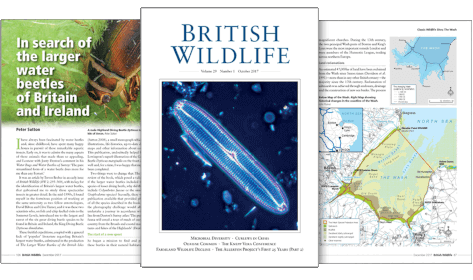
British Wildlife is the leading natural history magazine in the UK, providing essential reading for both enthusiast and professional naturalists and wildlife conservationists. Published eight times a year, British Wildlife bridges the gap between popular writing and scientific literature through a combination of long-form articles, regular columns and reports, book reviews and letters.
Conservation Land Management
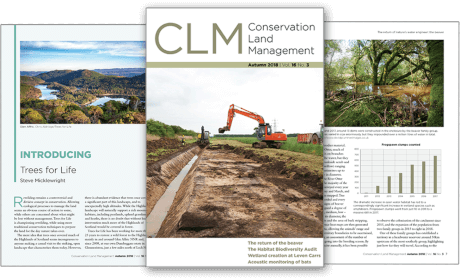
Conservation Land Management (CLM) is a quarterly magazine that is widely regarded as essential reading for all who are involved in land management for nature conservation, across the British Isles. CLM includes long-form articles, events listings, publication reviews, new product information and updates, reports of conferences and letters.