
Lock -
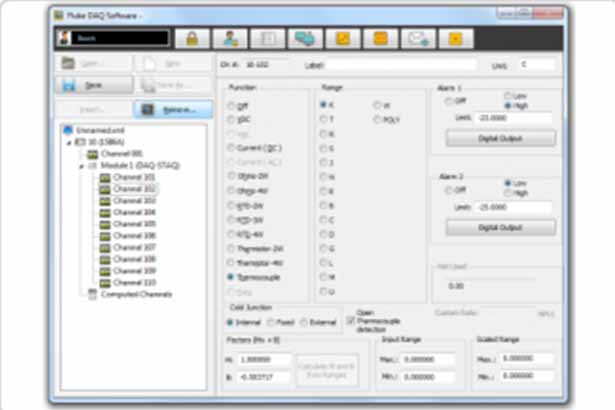
Simply connect your 2638A, 1586A, NetDAQ or 2680A Series to your computer and your current hard¬ware configuration will pre-populate in the configuration setup area, ready to edit if needed.


Simply connect your 2638A, 1586A, NetDAQ or 2680A Series to your computer and your current hard¬ware configuration will pre-populate in the configuration setup area, ready to edit if needed.
Interestingly, no lock is truly "unbreakable." In the world of security, locks are rated by the amount of they can resist a forced entry or a skilled manipulation (lockpicking). Therefore, a lock is not just a barrier; it is a deterrent. It communicates to the world that access is restricted, forcing a potential intruder to weigh the effort of entry against the risk of being caught. The Digital Shift
The Romans refined this by using metal, which allowed for smaller, more durable mechanisms and the invention of —obstructions inside the lock that required a specifically shaped key to bypass. However, the modern era of locksmithing began in the late 18th and 19th centuries during the Industrial Revolution. Pioneers like Robert Barron, Joseph Bramah, and Linus Yale Sr. developed the lever tumbler and pin-tumbler designs that remain the global standard for mechanical security today. The Psychology of Security
In the 21st century, the physical key is slowly being replaced by the . These devices utilize cryptography, biometric data (like fingerprints or facial recognition), and wireless protocols like Bluetooth and Wi-Fi.
Beyond the brass and steel, a lock serves a powerful psychological function. It defines the boundary between "public" and "private." A locked door creates a "sanctuary," a space where an individual can exist without the threat of intrusion.
The transition to digital locking mechanisms has fundamentally changed our relationship with access. We can now grant "temporary keys" to guests via smartphone apps or track exactly when a door was opened. However, this shift introduces new vulnerabilities: while a traditional lock requires a physical presence to pick, a digital lock could potentially be compromised by a hacker from thousands of miles away. Conclusion
Interestingly, no lock is truly "unbreakable." In the world of security, locks are rated by the amount of they can resist a forced entry or a skilled manipulation (lockpicking). Therefore, a lock is not just a barrier; it is a deterrent. It communicates to the world that access is restricted, forcing a potential intruder to weigh the effort of entry against the risk of being caught. The Digital Shift
The Romans refined this by using metal, which allowed for smaller, more durable mechanisms and the invention of —obstructions inside the lock that required a specifically shaped key to bypass. However, the modern era of locksmithing began in the late 18th and 19th centuries during the Industrial Revolution. Pioneers like Robert Barron, Joseph Bramah, and Linus Yale Sr. developed the lever tumbler and pin-tumbler designs that remain the global standard for mechanical security today. The Psychology of Security Interestingly, no lock is truly "unbreakable
In the 21st century, the physical key is slowly being replaced by the . These devices utilize cryptography, biometric data (like fingerprints or facial recognition), and wireless protocols like Bluetooth and Wi-Fi. The Digital Shift The Romans refined this by
Beyond the brass and steel, a lock serves a powerful psychological function. It defines the boundary between "public" and "private." A locked door creates a "sanctuary," a space where an individual can exist without the threat of intrusion. developed the lever tumbler and pin-tumbler designs that
The transition to digital locking mechanisms has fundamentally changed our relationship with access. We can now grant "temporary keys" to guests via smartphone apps or track exactly when a door was opened. However, this shift introduces new vulnerabilities: while a traditional lock requires a physical presence to pick, a digital lock could potentially be compromised by a hacker from thousands of miles away. Conclusion