

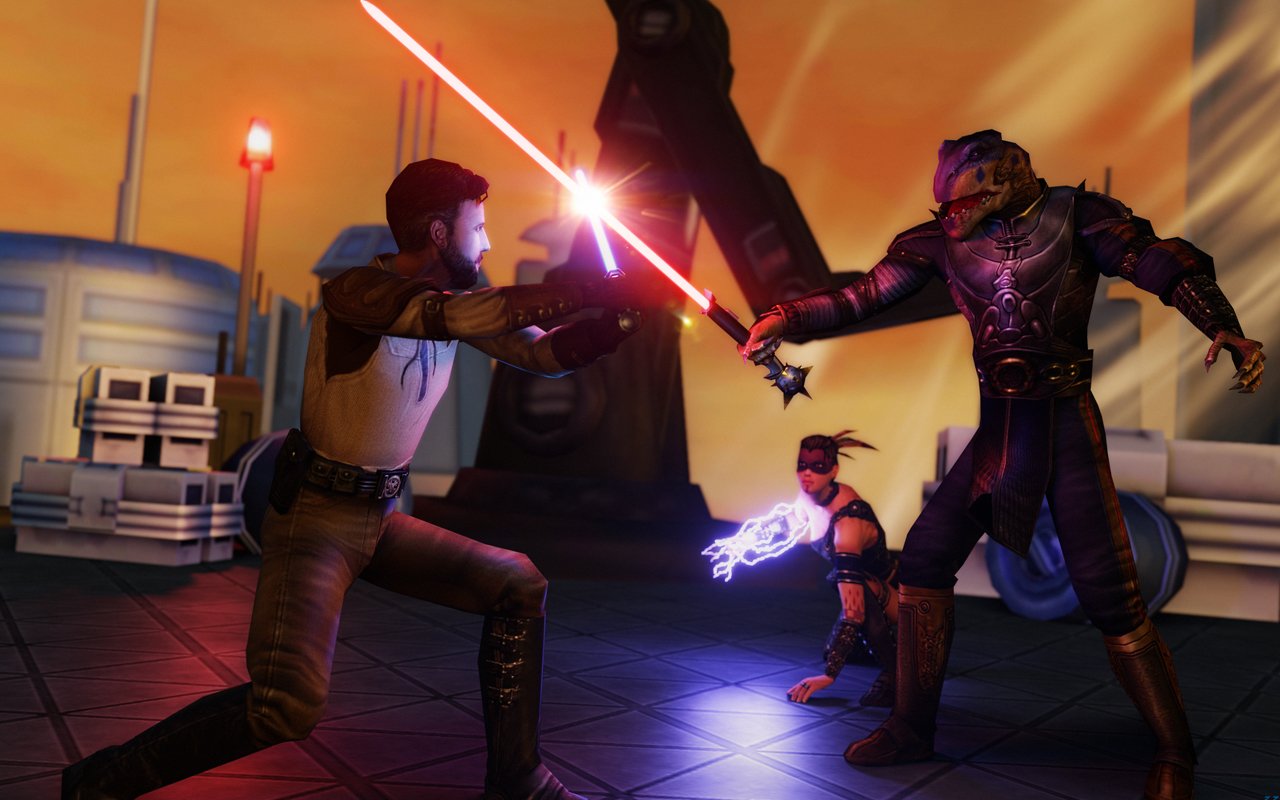
 1st Place Winner Reepray with Rishi Station 2,
  2nd Place Winner chloe with Oasis Mesa, and
  3rd Place Winner Artemis with TFFA Brutal! Amazing submissions by everyone!

Part 2 - Bhabhizip -
from PIL import Image import requests from transformers import Blip2Processor, Blip2Model import torch # 1. Load the processor and model processor = Blip2Processor.from_pretrained("Salesforce/blip2-opt-2.7b") model = Blip2Model.from_pretrained("Salesforce/blip2-opt-2.7b", torch_dtype=torch.float16) # 2. Prepare your image url = "http://cocodataset.org" image = Image.open(requests.get(url, stream=True).raw) # 3. Process the image and generate features inputs = processor(images=image, return_tensors="pt").to("cuda", torch.float16) outputs = model.get_image_features(**inputs) # 'outputs' now contains the generated feature vector print(f"Generated Feature Shape: {outputs.pooler_output.shape}") Use code with caution. Copied to clipboard Key Differences in Features
These are indispensable; removing them would immediately lower the model's accuracy [2]. Part 2 - Bhabhizip
In this context, you are converting raw data (like an image or text) into a numerical vector (embedding) that a machine learning model can understand. Below is a conceptual guide and code snippet for generating an image feature using a BLIP-style architecture. What is Feature Generation? from PIL import Image import requests from transformers
Based on the specific reference to (likely a variation of the BLIP/BLIP-2 multimodal models ), "generating a feature" typically refers to Feature Extraction . Process the image and generate features inputs =
Feature generation in multimodal AI involves using a "Vision Transformer" (ViT) or a "Querying Transformer" (Q-Former) to condense complex visual data into a representative feature map. These features are then used for tasks like image-text matching or visual question answering [3]. How to Generate a Visual Feature
These may not be essential on their own but provide value when combined with other data points [2].
If you are working with a model like , you can generate a visual feature by passing an image through the frozen image encoder. Example Code (Python / HuggingFace) You can use libraries like Transformers to implement this: