While the original Piramis version is a dramatic rock ballad, modern covers like those by Unikum Zenekar keep the melody alive for new generations. The band, featuring members like Bejan Laszlo, István Keresztes, and Eniko Kovacs, often brings a festive energy to these classics, allowing the song to transition from a melancholic rock piece to a communal anthem of celebration and nostalgia. Conclusion
This duality reflects the tension between the safety of a stable relationship and the restless human spirit that seeks variety and independence. The Musical Legacy and Modern Interpretations While the original Piramis version is a dramatic
While the original Piramis version is a dramatic rock ballad, modern covers like those by Unikum Zenekar keep the melody alive for new generations. The band, featuring members like Bejan Laszlo, István Keresztes, and Eniko Kovacs, often brings a festive energy to these classics, allowing the song to transition from a melancholic rock piece to a communal anthem of celebration and nostalgia. Conclusion
"Ha volna két életem" is an iconic Hungarian rock anthem originally released in 1977 by the legendary band Piramis . It has since become a cornerstone of Hungarian music, covered by numerous artists including , a contemporary group known for performing popular "mulatós" (party) and rock covers that resonate with local audiences at festivals and social gatherings. The song’s enduring popularity lies in its universal theme: the human desire for more time and the impossible wish to live two parallel lives. Lyrical Analysis: The Duality of Desire
This duality reflects the tension between the safety of a stable relationship and the restless human spirit that seeks variety and independence. The Musical Legacy and Modern Interpretations
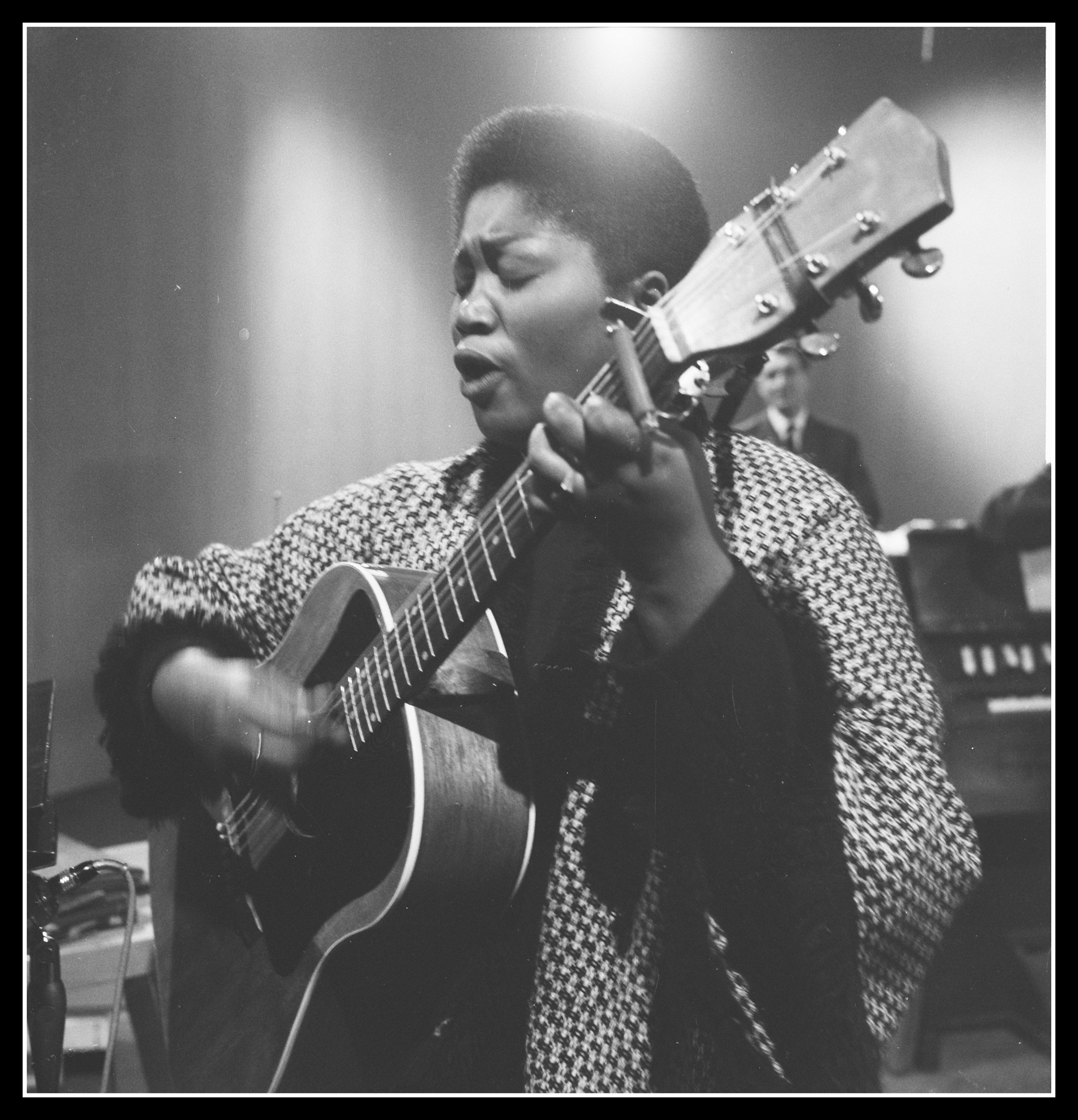
Odetta was one of the defining voices of American folk music. Though she had been trained in classical music, she was drawn to spirituals, work songs, traditional ballads, and blues. These songs told the stories of true life – of struggle and of those who overcame oppression. Odetta used her theater training and deep resonant voice to bring these messages to life. Her work inspired later artists like Bob Dylan and Joan Baez, served as a soundtrack for the social reforms of the 1960s, and led to her honorary title as “The Voice of the Civil Rights Movement” and “The Queen of Folk Music.
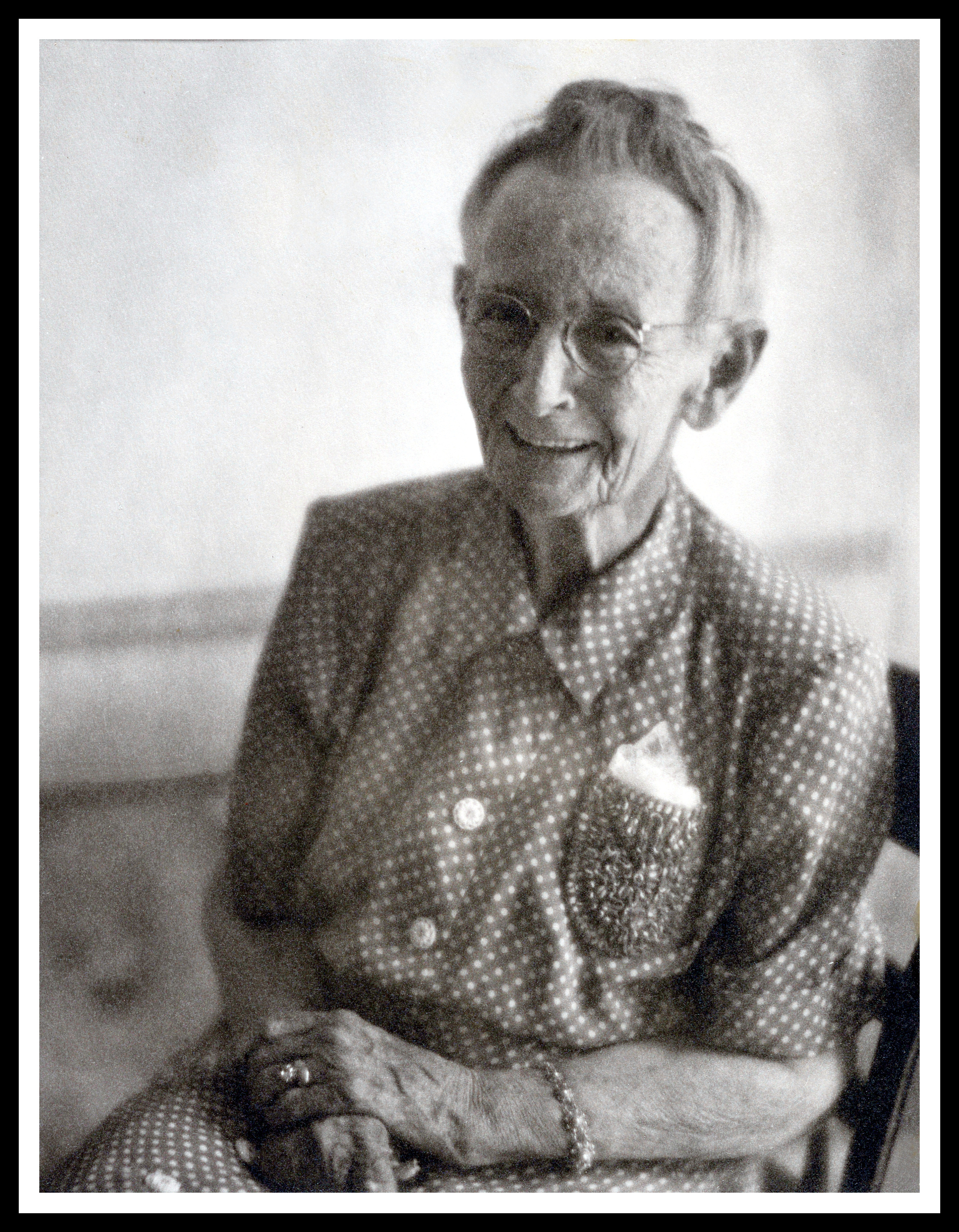
Anna Mary Moses spent the last twenty years of her life as a beloved and celebrated artist after a hobby became an occupation in the most astonishing way.
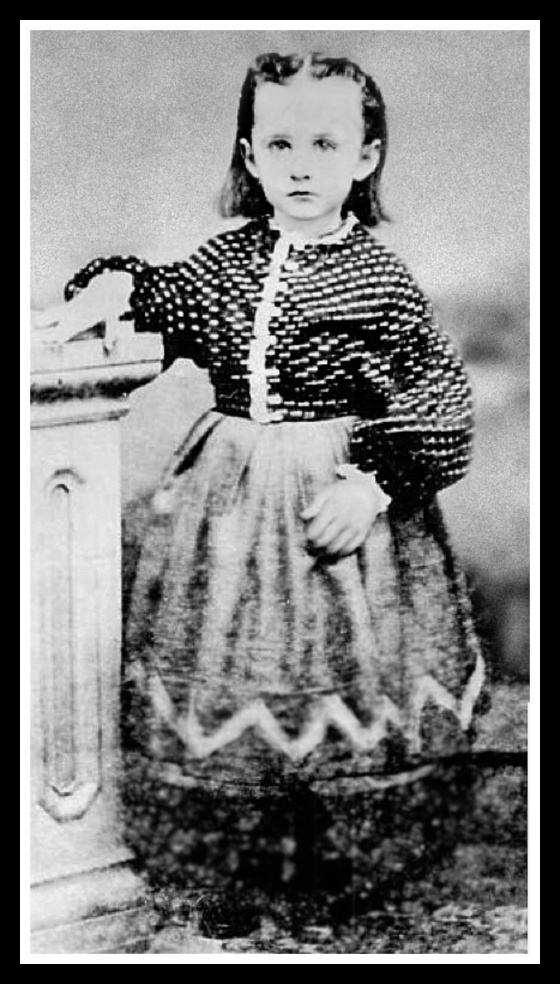
Anna Mary Moses was born when Abraham Lincoln was president and died when John Kennedy was; she lived through one Civil, and two World wars, and was one of the first women in the US to legally vote. Because her life was so full, she didn’t take up painting as her primary hobby until she was in her 70s, and was on a rocketship of world fame as a celebrated artist until she was in her 80s.