For decades, digital writing was a solitary act, confined to local hard drives and floppy disks. The emergence of "Docs"—the colloquial term for web-based word processors, most notably Google Docs—shattered this isolation, fundamentally altering the landscape of education, professional collaboration, and personal productivity. By transitioning from a static software model to a dynamic, cloud-based platform, Docs has redefined what it means to "write" in the 21st century.
Ultimately, "Docs" is more than just a tool; it is a symbol of the modern, interconnected world. It has transformed writing from a lonely, fragile task into a resilient, shared experience. As the platform continues to evolve with more sophisticated AI and collaborative features, it will undoubtedly remain the primary canvas for the world's collective thoughts. If you'd like to narrow this down, please let me know: For decades, digital writing was a solitary act,
However, the rise of Docs is not without its complexities. The ease of sharing and copying has prompted discussions about intellectual property and AI-driven plagiarism . Educators now often use the platform's "version history" to verify the authenticity of a student's writing process, making the journey of a document as important as its final destination. Ultimately, "Docs" is more than just a tool;
Would you prefer a more on how the software works? Should I focus specifically on the history of Google Docs ? MLA Format Essays in Google Docs If you'd like to narrow this down, please
In academic settings, Docs has simplified the technical hurdles of formal writing. Features like built-in templates for MLA and APA formatting allow writers to focus on content rather than margin widths or font sizes. More recently, the integration of AI-powered tools has added a layer of assistive intelligence, helping users generate outlines, refine tone, or expand on ideas with a single prompt.
Furthermore, Docs has solved the age-old problem of . Because documents are tied to a user’s account rather than a specific device, the "lost paper" or "crashed hard drive" excuse has become a relic of the past. Every keystroke is saved automatically in the cloud, allowing a student or professional to start a draft on a desktop and finish it on a smartphone while commuting. This ubiquitous access ensures that creativity is no longer tethered to a physical desk, though it does introduce a new dependency on reliable internet connectivity .
The most profound contribution of Docs is the democratization of . Before its advent, collaborative writing involved a tedious cycle of emailing attachments, managing conflicting "Version 2.0" files, and merging manual edits. Docs replaced this friction with a "living" document. Today, multiple users can inhabit the same digital space simultaneously, seeing changes as they happen and engaging in side-margin dialogues . This shift has turned writing from a private performance into a social process, fostering a more iterative and transparent way of developing ideas.
For decades, digital writing was a solitary act, confined to local hard drives and floppy disks. The emergence of "Docs"—the colloquial term for web-based word processors, most notably Google Docs—shattered this isolation, fundamentally altering the landscape of education, professional collaboration, and personal productivity. By transitioning from a static software model to a dynamic, cloud-based platform, Docs has redefined what it means to "write" in the 21st century.
Ultimately, "Docs" is more than just a tool; it is a symbol of the modern, interconnected world. It has transformed writing from a lonely, fragile task into a resilient, shared experience. As the platform continues to evolve with more sophisticated AI and collaborative features, it will undoubtedly remain the primary canvas for the world's collective thoughts. If you'd like to narrow this down, please let me know:
However, the rise of Docs is not without its complexities. The ease of sharing and copying has prompted discussions about intellectual property and AI-driven plagiarism . Educators now often use the platform's "version history" to verify the authenticity of a student's writing process, making the journey of a document as important as its final destination.
Would you prefer a more on how the software works? Should I focus specifically on the history of Google Docs ? MLA Format Essays in Google Docs
In academic settings, Docs has simplified the technical hurdles of formal writing. Features like built-in templates for MLA and APA formatting allow writers to focus on content rather than margin widths or font sizes. More recently, the integration of AI-powered tools has added a layer of assistive intelligence, helping users generate outlines, refine tone, or expand on ideas with a single prompt.
Furthermore, Docs has solved the age-old problem of . Because documents are tied to a user’s account rather than a specific device, the "lost paper" or "crashed hard drive" excuse has become a relic of the past. Every keystroke is saved automatically in the cloud, allowing a student or professional to start a draft on a desktop and finish it on a smartphone while commuting. This ubiquitous access ensures that creativity is no longer tethered to a physical desk, though it does introduce a new dependency on reliable internet connectivity .
The most profound contribution of Docs is the democratization of . Before its advent, collaborative writing involved a tedious cycle of emailing attachments, managing conflicting "Version 2.0" files, and merging manual edits. Docs replaced this friction with a "living" document. Today, multiple users can inhabit the same digital space simultaneously, seeing changes as they happen and engaging in side-margin dialogues . This shift has turned writing from a private performance into a social process, fostering a more iterative and transparent way of developing ideas.
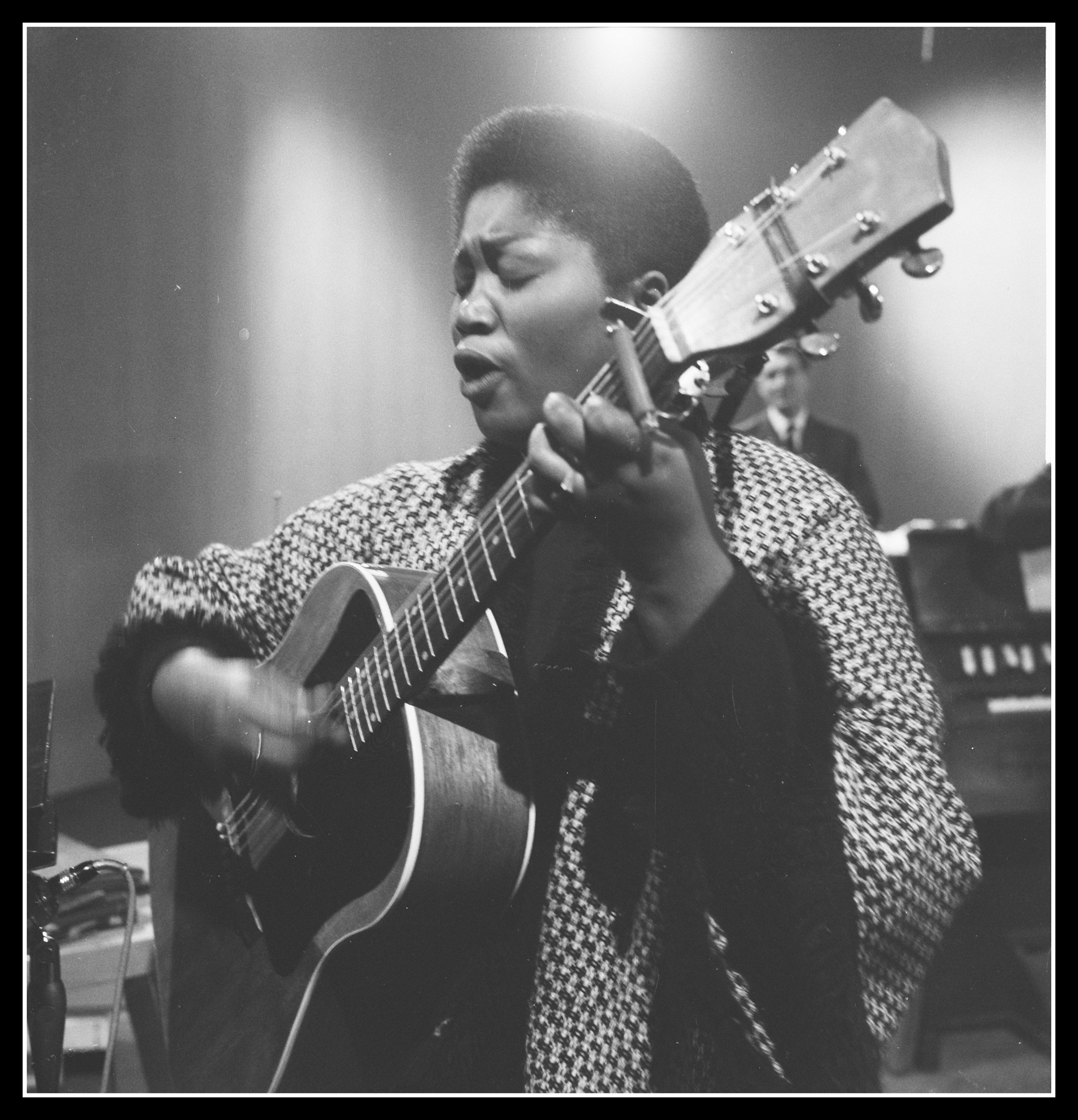
Odetta was one of the defining voices of American folk music. Though she had been trained in classical music, she was drawn to spirituals, work songs, traditional ballads, and blues. These songs told the stories of true life – of struggle and of those who overcame oppression. Odetta used her theater training and deep resonant voice to bring these messages to life. Her work inspired later artists like Bob Dylan and Joan Baez, served as a soundtrack for the social reforms of the 1960s, and led to her honorary title as “The Voice of the Civil Rights Movement” and “The Queen of Folk Music.
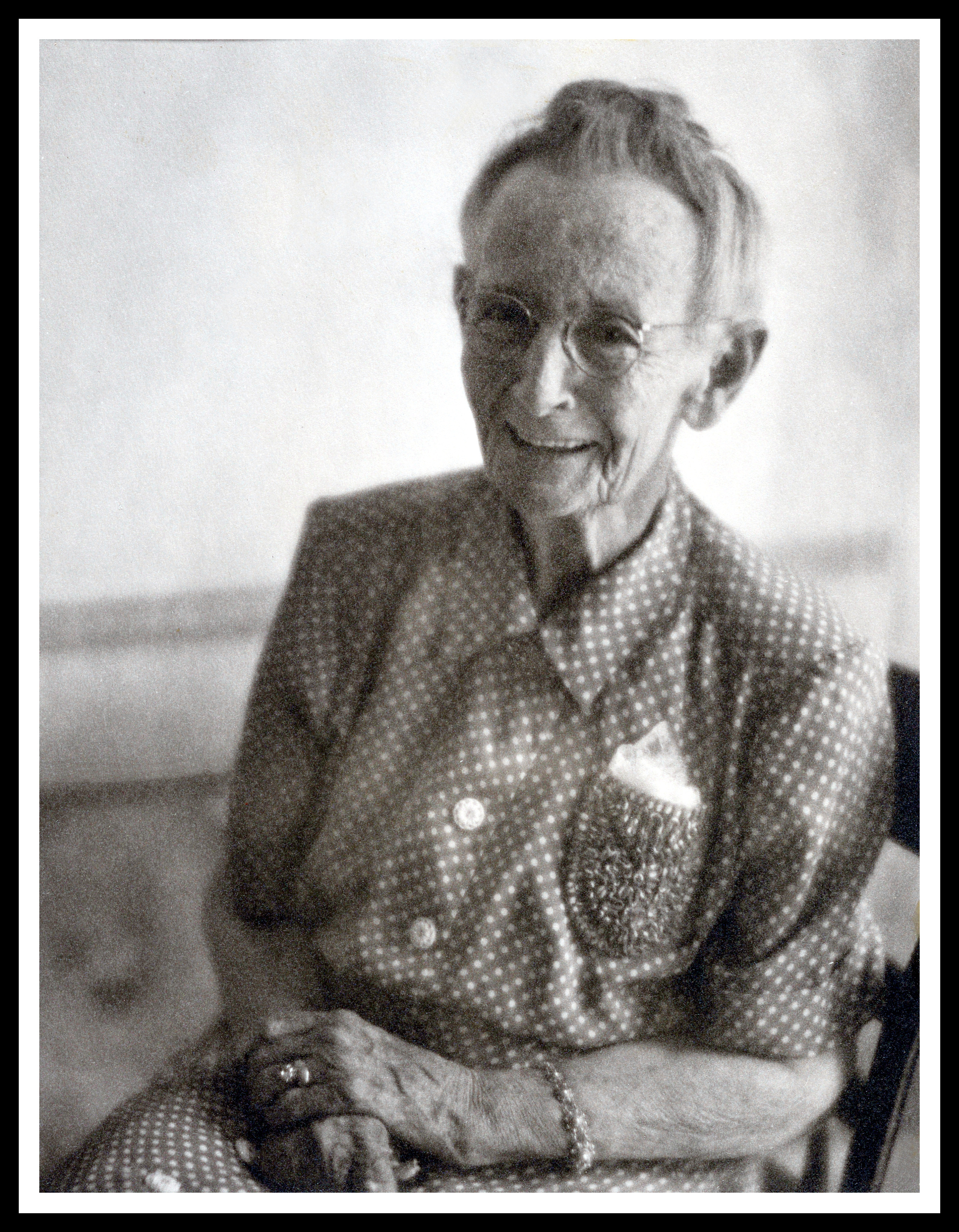
Anna Mary Moses spent the last twenty years of her life as a beloved and celebrated artist after a hobby became an occupation in the most astonishing way.
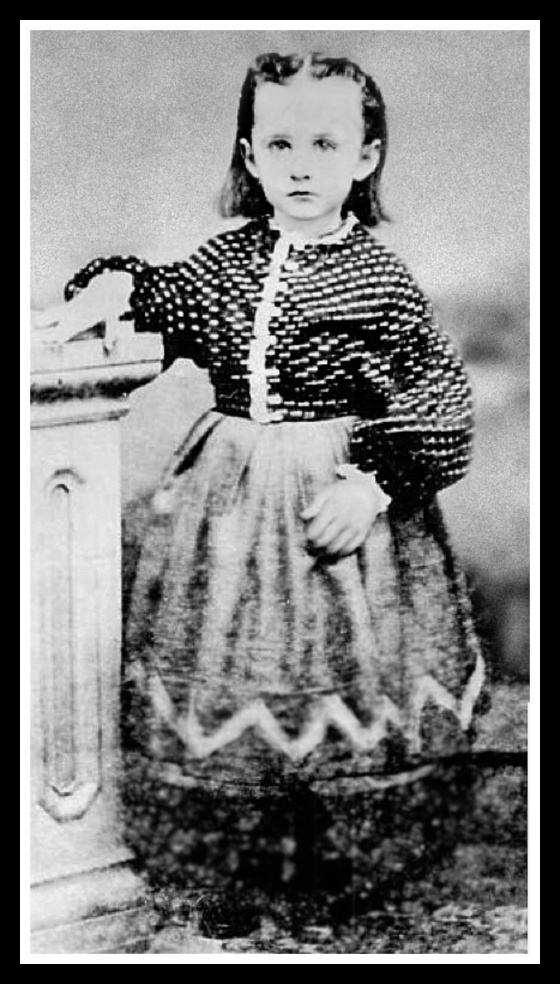
Anna Mary Moses was born when Abraham Lincoln was president and died when John Kennedy was; she lived through one Civil, and two World wars, and was one of the first women in the US to legally vote. Because her life was so full, she didn’t take up painting as her primary hobby until she was in her 70s, and was on a rocketship of world fame as a celebrated artist until she was in her 80s.